
Publishing Scholarly Archaeology since 1997
Publishing Scholarly Archaeology since 1997
Log in | My Account | Basket Twitter Facebook LinkedIn
Advanced Search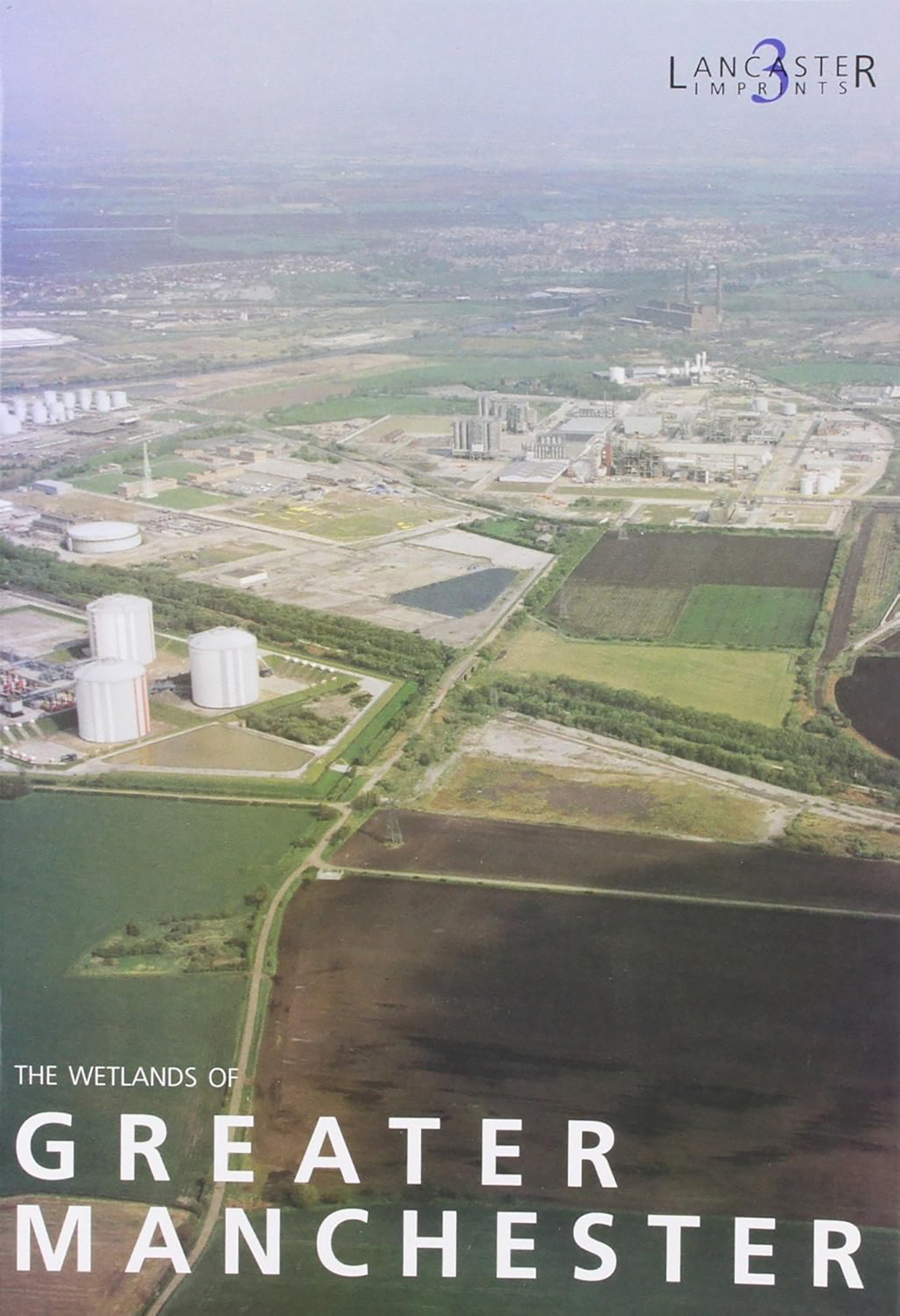
Download Sample PDF
H 297 x W 210 mm
187 pages
66 figures, 20 plates, 2 tables (black & white throughout)
Published Jun 1995
ISBN
Paperback: 9780901800800
Keywords
wetland archaeology; environmental archaeology; landscape archaeology; Greater Manchester; lowland environments
The Wetlands of Greater Manchester

Paperback
£24.00
 Add to wishlist
This summary of the North West Wetlands Survey highlights how Greater Manchester’s long-term wetness and later industrialisation obscure earlier activity. Despite difficult conditions, extensive survey methods allowed researchers to recover a representative picture of past landscapes and human use.
Contents
List of illustrations
Abbreviations
Contributors
Acknowledgements
Foreword
1. THE NORTH WEST WETLANDS SURVEY
2. THE WETLANDS OF GREATER MANCHESTER
3. CHAT MOSS
4. THE LARGER MOSSES
5. THE SMALL MOSSES
6. THE ARCHAEOLOGY AND PALAEOENVIRONMENT OF THE MANCHESTER WETLANDS
Glossary
Appendix 1: Gazetteer of mosses
Appendix 2: Greater Manchester radiocarbon dates
Appendix 3: Aerial photographic interpretation in Greater Manchester
Appendix 4: Wetland sites in Greater Manchester
Appendix 5: Artefacts associated with Manchester wetlands
Bibliography
Index

Archaeopress Publishing Ltd
First and Second Floor
13-14 Market Square
Bicester
Oxfordshire OX26 6AD
United Kingdom
Tel +44 (0) 1865 311914 | fax +44 (0) 1865 512231 | email info@archaeopress.com
