
Publishing Scholarly Archaeology since 1997
Publishing Scholarly Archaeology since 1997
Log in | My Account | Basket Twitter Facebook LinkedIn
Advanced Search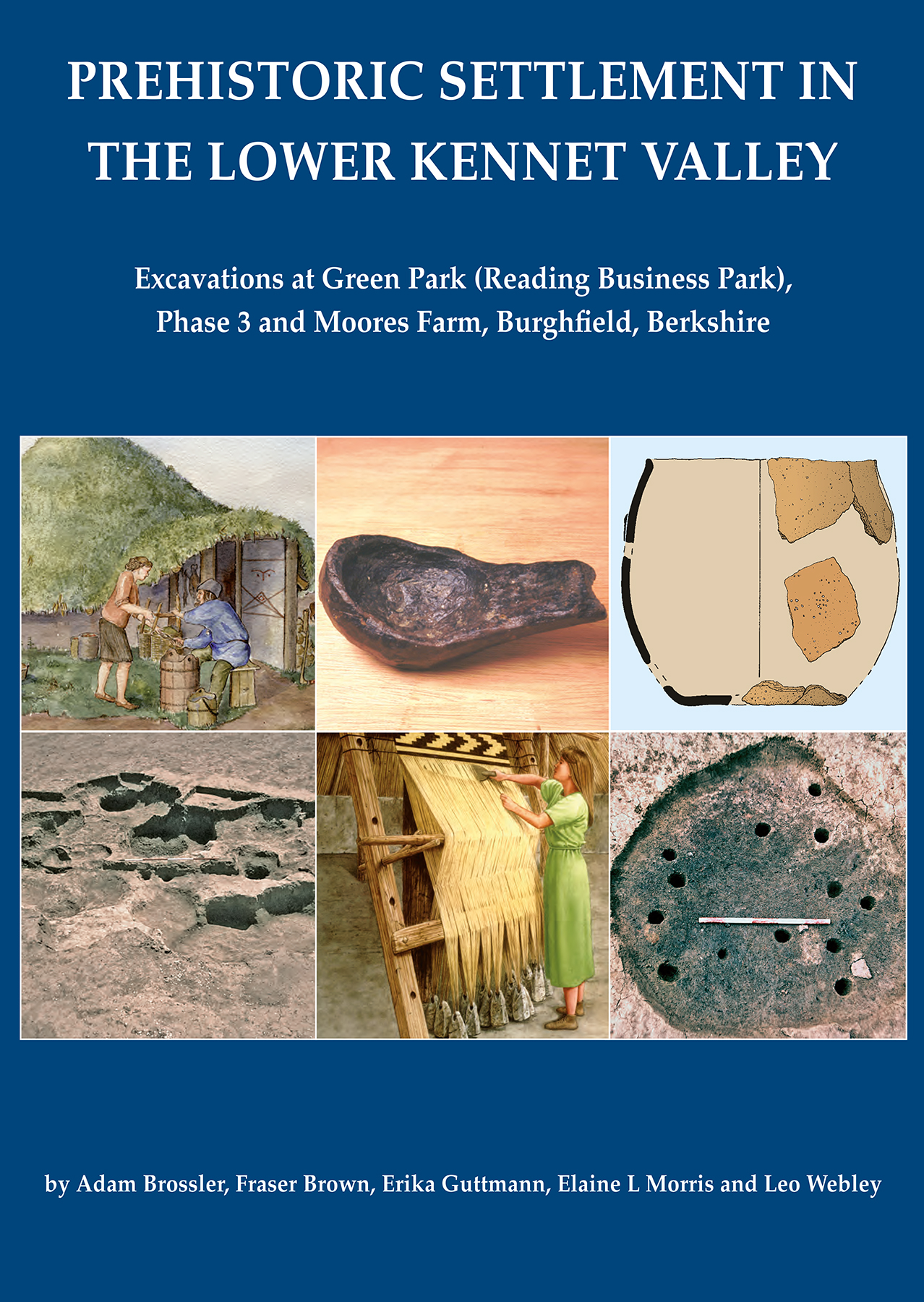
Download Sample PDF
H 297 x W 219 mm
150 pages
Published Jul 2013
ISBN
Paperback: 9781905905294
Keywords
Lower Kennet Valley; prehistoric settlement; Bronze Age field system; Neolithic occupation; Berkshire archaeology; settlement archaeology; landscape archaeology
Thames Valley Landscapes Monograph 37
Prehistoric Settlement in the Lower Kennet Valley
Excavations at Green Park (Reading Business Park) Phase 3 and Moores Farm, Burghfield, Berkshire
By Adam Brossler, Fraser Brown, Erika Guttman, Leo Webley

Paperback
£20.00
 Add to wishlist
Excavations at Green Park and Moores Farm revealed middle–late Bronze Age field systems with waterholes preserving wooden revetments and key pottery, alongside earlier Mesolithic–Neolithic activity. Later Iron Age, Roman and post‑medieval features show long‑term landscape change across the Lower Kennet Valley.

Archaeopress Publishing Ltd
First and Second Floor
13-14 Market Square
Bicester
Oxfordshire OX26 6AD
United Kingdom
Tel +44 (0) 1865 311914 | fax +44 (0) 1865 512231 | email info@archaeopress.com
