
Publishing Scholarly Archaeology since 1997
Publishing Scholarly Archaeology since 1997
Log in | My Account | Basket Twitter Facebook LinkedIn
Advanced Search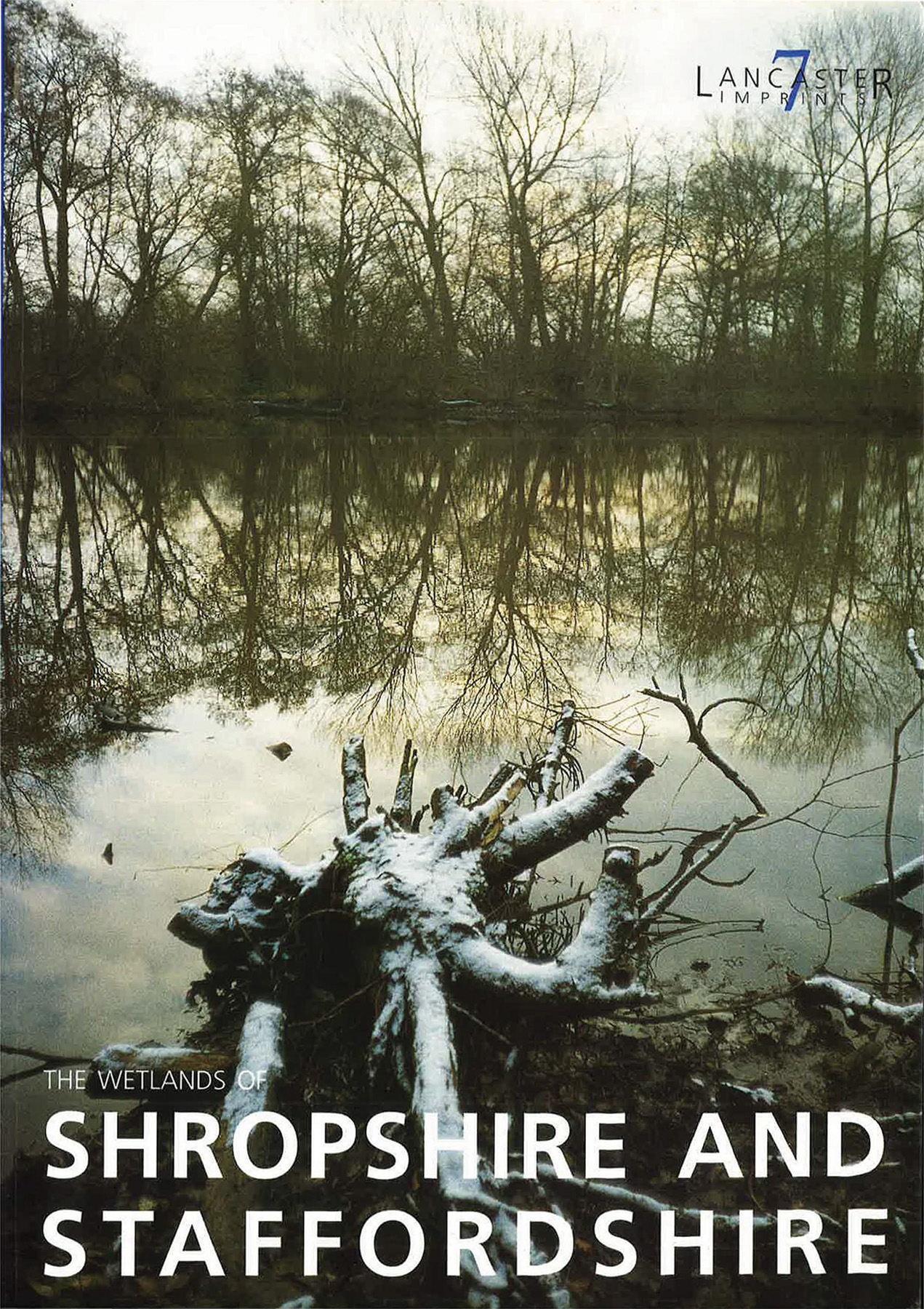
Download Sample PDF
H 297 x W 210 mm
252 pages
53 figures, 2 tables, 37 plates (black & white throughout)
Published Jun 1998
ISBN
Paperback: 9781862200234
Keywords
wetland archaeology; environmental archaeology; palaeoenvironmental studies; landscape archaeology; Shropshire and Staffordshire
The Wetlands of Shropshire and Staffordshire

Paperback
£25.00
 Add to wishlist
This volume reports on archaeological and palaeoecological work in the wetlands of two counties (1994–96) for the North West Wetlands Survey. It underscores the fragility of these environments and provides a foundation for long‑term research and management, challenging those responsible for their future care.
Contents
List of illustrations
List of tables
List of plates
Contributors
Abbreviations
Acknowledgements
Foreword
1. INTRODUCTION
2. SHROPSHIRE
3. FENN'S/WHIXALL/WEM MOSSES
4. ELLESMERE MERES REGION
5. BAGGY MOOR
6. THE MID-SHROPSHIRE WETLANDS
7. BURY WALLS AND TOP MOSS (INCLUDING BROWN MOSS)
8. THE WEALD MOORS
9. MARTON POOL
10. THE WETLANDS OF STAFFORDSHIRE
11. CONCLUSIONS
Glossary
Appendix 1: Site gazetteer: archaeological survey sites, Shropshire
Appendix 2: Evaluation of medieval pottery found at Cockshutt, Shropshire
Appendix 3: Gazetteer of the Shropshire environmental archives assessed
Appendix 4: Palaeoecological investigations at Top Moss, Shropshire
Appendix 5: Shropshire's wetlands: a list of extant and improved landscapes
Appendix 6: Gazetteer of SMR sites on and around Shropshire wetlands
Appendix 7: Site gazetteer: archaeological sites, Staffordshire
Appendix 8: Gazetteer of Staffordshire environmental archives assessed
Appendix 9: Staffordshire's wetlands: a list of extant and improved landscapes
Appendix 10: Gazetteer of SMR sites on and around Staffordshire wetlands
Appendix 11: Details of radiocarbon dates quoted in the text
Bibliography
Index

Archaeopress Publishing Ltd
First and Second Floor
13-14 Market Square
Bicester
Oxfordshire OX26 6AD
United Kingdom
Tel +44 (0) 1865 311914 | fax +44 (0) 1865 512231 | email info@archaeopress.com
