
Publishing Scholarly Archaeology since 1997
Publishing Scholarly Archaeology since 1997
Log in | My Account | Basket Twitter Facebook LinkedIn
Advanced Search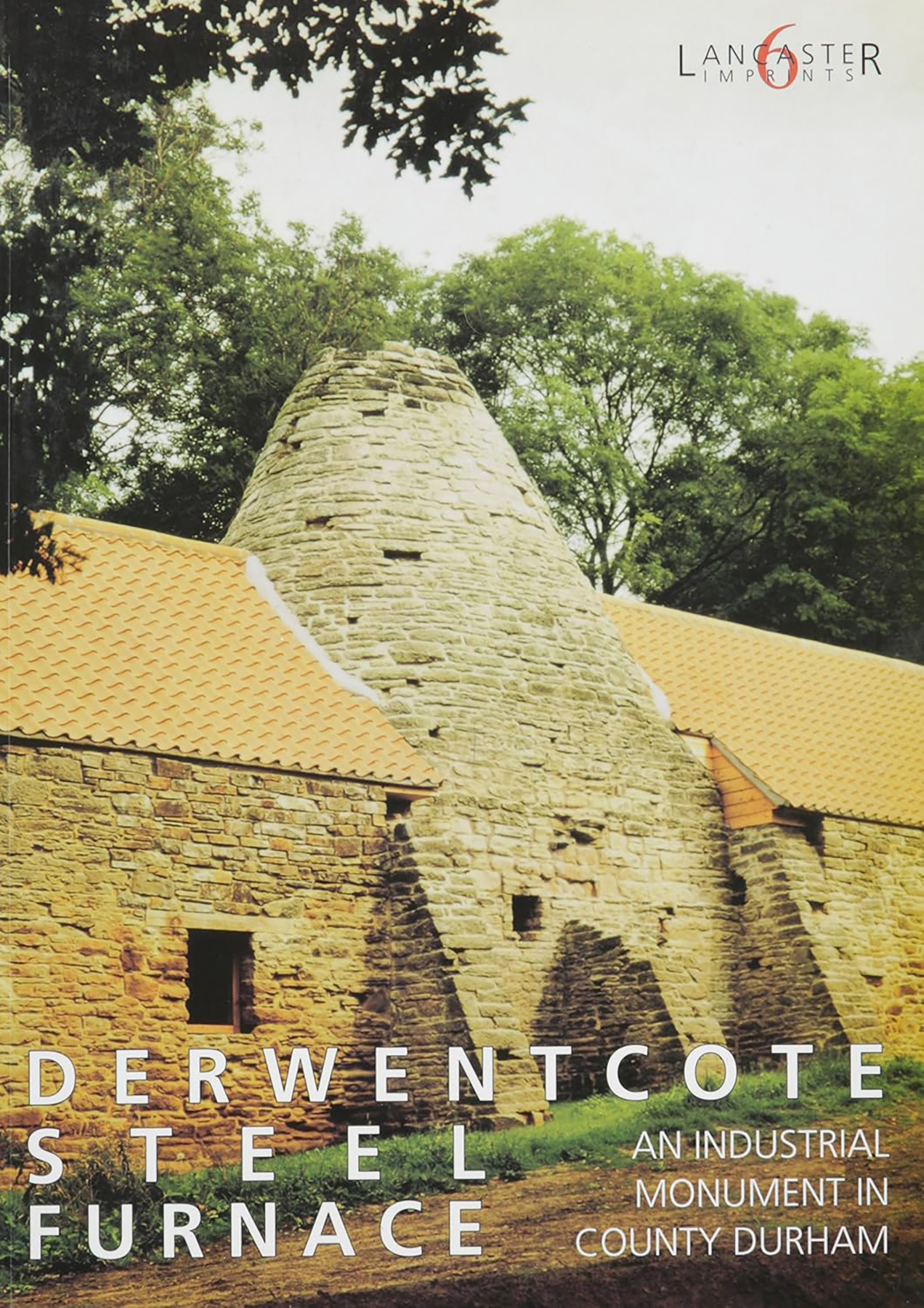
Download Sample PDF
H 297 x W 210 mm
143 pages
25 figures, 49 plates, 8 tables (black & white throughout)
Published Jun 1997
ISBN
Paperback: 9781862200111
Keywords
industrial archaeology; archaeometallurgy; heritage conservation; post-medieval industry; standing remains
Derwentcote Steel Furnace: An Industrial Monument in County Durham
By D Cranstone

Paperback
£20.00
 Add to wishlist
Excavation of a forge at Derwentcote, Co Durham, which was built in c1719, and operated until 1891. The interiors and surroundings of the buildings attached to the furnace have been excavated, in advance of public display. The furnace has now been conserved and opened to the public by English Heritage.
Contents
List of illustrations
List of plates
List of tables
Abbreviations
Contributors
Acknowledgements
Summary
1. INTRODUCTION
2. TECHNOLOGY
3. THE SETTING
4. THE HISTORY
5. THE STANDING STRUCTURE
6. THE EXCAVATIONS
7. THE FINDS
8. DISCUSSION AND SYNTHESIS
Glossary
Bibliography
Plates
Index

Archaeopress Publishing Ltd
First and Second Floor
13-14 Market Square
Bicester
Oxfordshire OX26 6AD
United Kingdom
Tel +44 (0) 1865 311914 | fax +44 (0) 1865 512231 | email info@archaeopress.com
