
Publishing Scholarly Archaeology since 1997
Publishing Scholarly Archaeology since 1997
Log in | My Account | Basket Twitter Facebook LinkedIn
Advanced Search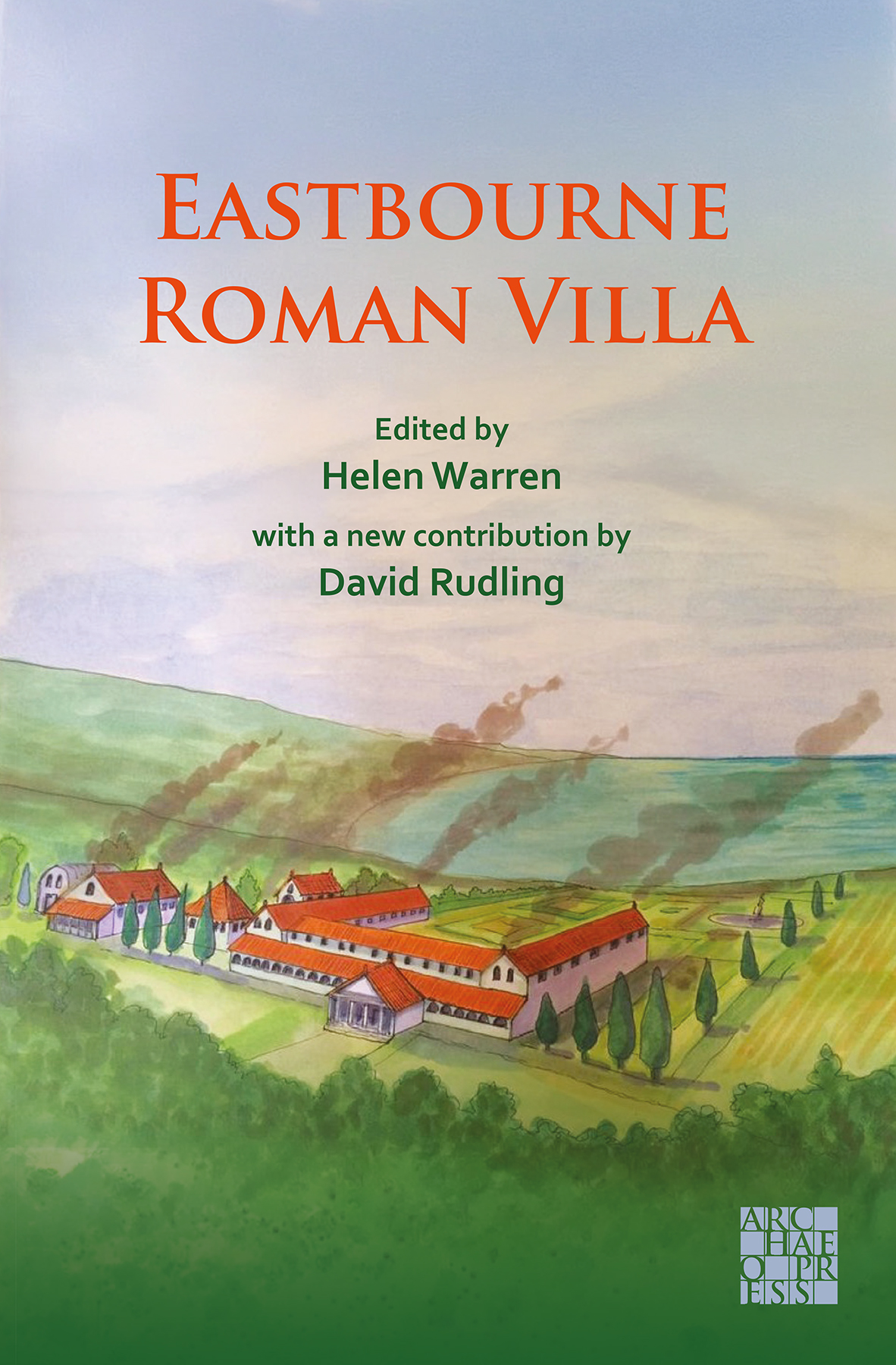
Download Sample PDF
H 234 x W 156 mm
68 pages
22 figures (colour throughout)
Published Oct 2026
ISBN
Paperback: 9781805833826
Digital: 9781805833833
Keywords
Roman Britain; Sussex; Eastbourne; Lost Roman Villa
Related titles


Eastbourne Roman Villa
Edited by Helen Warren
Contributions by David Rudling

Paperback
£12.99
Includes PDF
PDF eBook
(personal use)
£7.99
PDF eBook
(institutional use)
£12.99
 Add to wishlist
This book brings together historical records, archaeological evidence and new research on Eastbourne’s lost Roman villa. Reassessing its size, chronology and significance, it reveals a far grander complex than previously thought while documenting its discovery, destruction and surviving artefacts.
Contents
Foreword
Eastbourne Roman Villa, 1973 Edition
Foreword to the 1973 edition
Acknowledgments
Eastbourne Roman Villa – By Thomas Sutton, FSA
Piece of patterned ‘double-box’ flue-tile from Eastbourne – By W. G. Lowther, FSA
Supplement – By Richard Gilbert and Lawrence Stevens
Budgen’s Map of 1724
The Round House
Brooke’s Drawing
Contemporary Report, 1878
Tabor’s “Triangle”
Burrell Was There
Sea houses, East Bourne
The Brooke Sketches
New Contributions for the 2026 Edition
Finds in the Collection of the Royal Ontario Museum
Fragmentary double-box flue tile (Figure 18)
Double-box flue tile (Figure 19)
Figure of a male athlete, or possibly Hercules, holding an apple (Figure 20)
Eastbourne Roman Villa in Context – by Dr David Rudling FSA, MCIfA
Introduction
Dating Evidence
The Sussex ‘Early Villas’
Finds from Eastbourne Villa
The Eastbourne Villa Flue-tiles
The Eastbourne Villa Mosaics and Tesserae
Addendum – By Dr David Rudling FSA, MCIfA
About the Author
Helen Warren has been closely involved with Eastbourne Natural History and Archaeology Society for over 40 years. Her interest in archaeology was sparked when as a young child she dug up a Bronze Age spearhead in her Leicestershire back garden.
In 2003 she retired from teaching and has had time to paint and to create children’s book illustrations.

Archaeopress Publishing Ltd
First and Second Floor
13-14 Market Square
Bicester
Oxfordshire OX26 6AD
United Kingdom
Tel +44 (0) 1865 311914 | fax +44 (0) 1865 512231 | email info@archaeopress.com
