
Publishing Scholarly Archaeology since 1997
Publishing Scholarly Archaeology since 1997
Log in | My Account | Basket Twitter Facebook LinkedIn
Advanced Search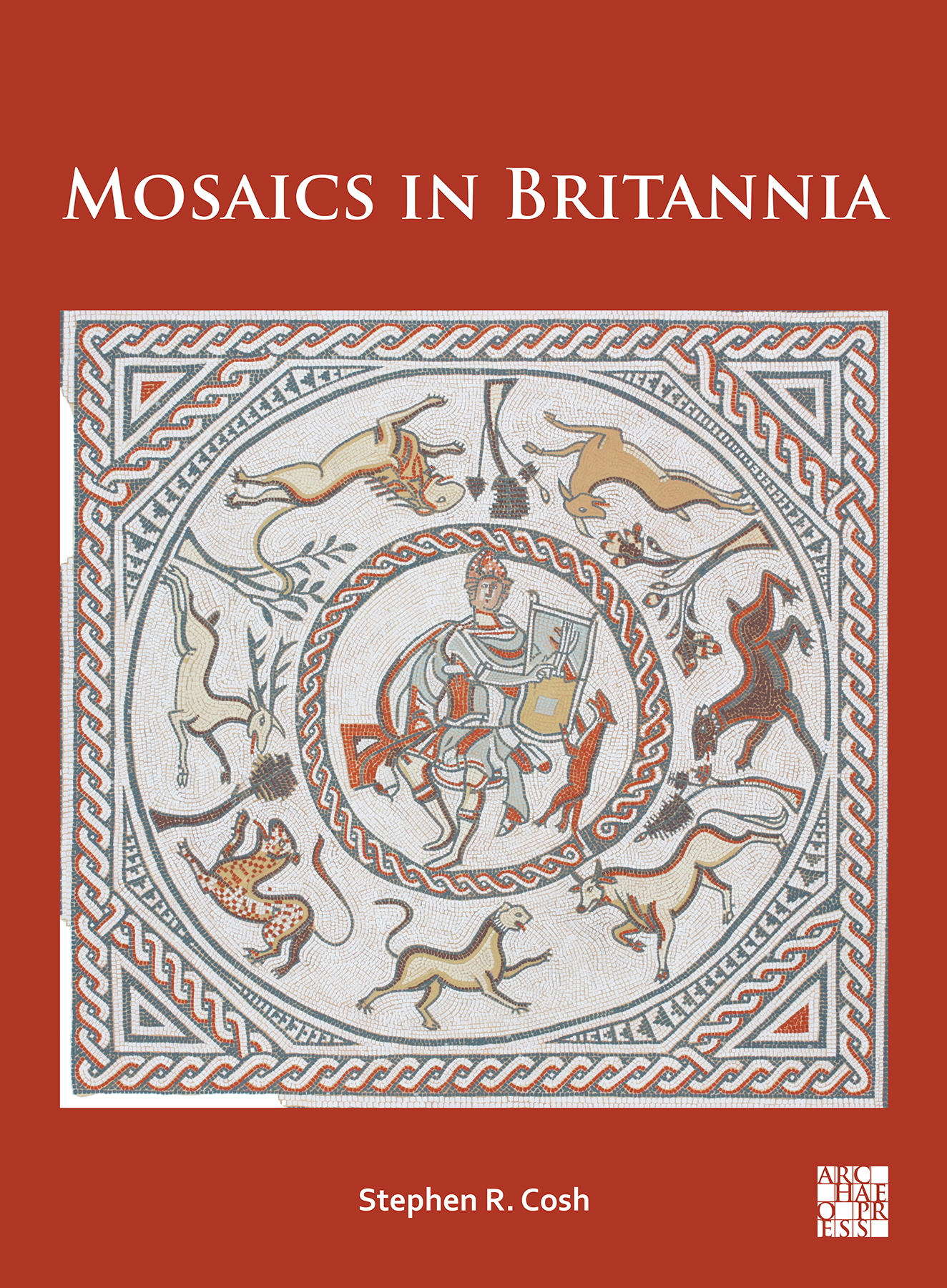
Download Sample PDF
H 276 x W 203 mm
232 pages
187 figures (colour throughout)
Published Mar 2026
ISBN
Paperback: 9781805832331
Digital: 9781805832348
Keywords
Roman Britain; Mosaics; Villas
Related titles

Mosaics in Britannia

Paperback
£29.99
Includes PDF
PDF eBook
(personal use)
£16.00
PDF eBook
(institutional use)
£29.99
 Add to wishlist
This book surveys Romano-British mosaics—their craft, design, themes, and role within buildings. It highlights their literary sophistication and social significance, traces their late Roman decline, and follows their rediscovery, challenging assumptions that Britain was a cultural backwater.
Contents
List of Figures
Author’s note
Chapter One: Introduction
Chapter Two: Manufacture
Chapter Three: Schemes, patterns and motifs
Chapter Four: First- to third-century mosaics
Chapter Five: Fourth-century Groups
Chapter Six: Figured mosaics
Chapter Seven: Mythological stories and literature
Chapter Eight: Sports and leisure
Chapter Nine: Paganism, Christianity and superstition
Chapter Ten: Mosaics in principal rooms
Chapter Eleven: Baths and the Porticus
Chapter Twelve: Mosaics in aisled buildings
Chapter Thirteen: Maintenance, repair and alterations
Chapter Fourteen: Mosaics and the end of Roman Britain
Chapter Fifteen: How mosaics were recorded
Chapter Sixteen: Mosaics on display
Bibliography
Index
About the Author
Stephen R. Cosh DLitt FSA is an independent archaeological writer and illustrator specialising in the Roman period. He worked for over thirty-five years with his colleague, David S. Neal, on the research, production and publication of the five-volume corpus of Romano-British mosaics, completed in 2024. He has contributed specialist reports on the mosaics from several sites, including Chedworth, Low Ham, Dewlish and Colliton Park, Dorchester, and the building report for the large villa complex at Eccles, Kent. He has also written articles on a variety of archaeological aspects of Roman Britain in addition to those concerning mosaics, appearing in the proceedings of several county archaeological societies, Britannia, Antiquaries Journal, Mosaic, the Association for Roman Archaeology (ARA) publications, among others. For many years he was secretary, editor and later vice-chairman of ASPROM (the Association for the Study and Preservation of Roman Mosaics).
Reviews
‘Stephen Cosh, together with his colleague Dr David Neal, are the authors of a truly monumental and authoritative five-volume survey of all the Roman mosaics of Britain… In this book, Cosh distils his vast learning to produce an ideal handbook to the subject in 16 chapters whose contents include the manufacture of mosaics and the construction of geometric patterns… Cosh’s handbook will surely remain the key introduction to the Roman British mosaics into the foreseeable future, and Archaeopress is to be congratulated for maintaining the quality of the parent corpus.’ – Martin Henig (2026): Current Archaeology issue 437
Archaeopress Publishing Ltd
First and Second Floor
13-14 Market Square
Bicester
Oxfordshire OX26 6AD
United Kingdom
Tel +44 (0) 1865 311914 | fax +44 (0) 1865 512231 | email info@archaeopress.com
