
Publishing Scholarly Archaeology since 1997
Publishing Scholarly Archaeology since 1997
Log in | My Account | Basket Twitter Facebook LinkedIn
Advanced Search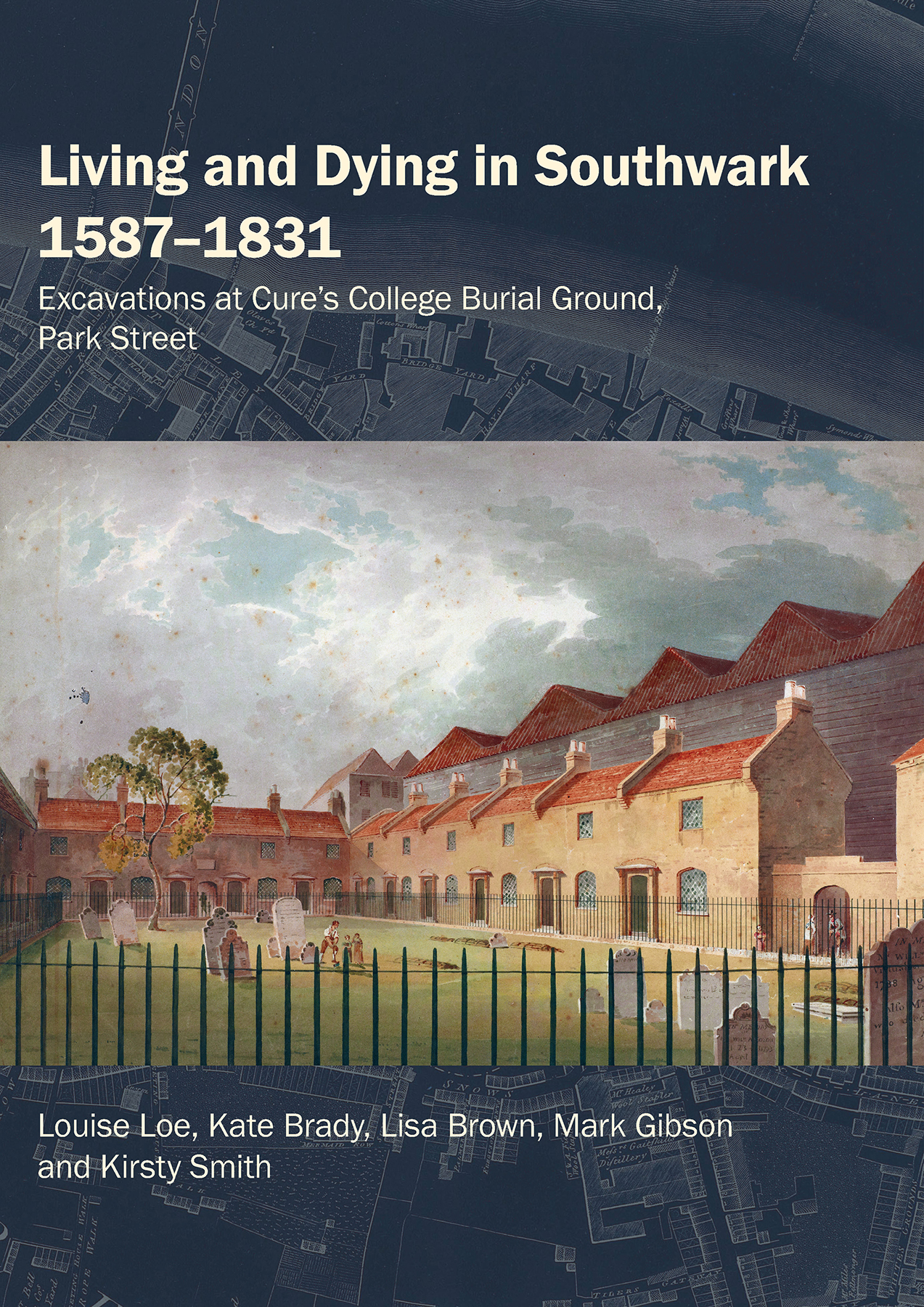
Download Sample PDF
H 305 x W 217 mm
156 pages
Published Oct 2017
ISBN
Hardback: 9780995663619
Keywords
post-medieval burial ground; Southwark archaeology; osteoarchaeology; London burial archaeology; almshouse burials; urban archaeology; funerary archaeology
Living and Dying in Southwark 1587-1831
Excavations at Cure's College Burial Ground, Park Street
By Louise Loe, Kate Brady, Lisa Brown, Mark Gibson, Kirsty Smith

Hardback
£13.00
 Add to wishlist
Excavation at Park Street uncovered 331 burials from Cure’s College Almshouse (1587–1831). Analysis reveals a predominantly working‑class population marked by poor living conditions, deprivation and high mortality, with origins ranging from local Londoners to continental migrants, offering rare insight into post‑medieval urban life.
Archaeopress Publishing Ltd
First and Second Floor
13-14 Market Square
Bicester
Oxfordshire OX26 6AD
United Kingdom
Tel +44 (0) 1865 311914 | fax +44 (0) 1865 512231 | email info@archaeopress.com
