
Publishing Scholarly Archaeology since 1997
Publishing Scholarly Archaeology since 1997
Log in | My Account | Basket Twitter Facebook LinkedIn
Advanced Search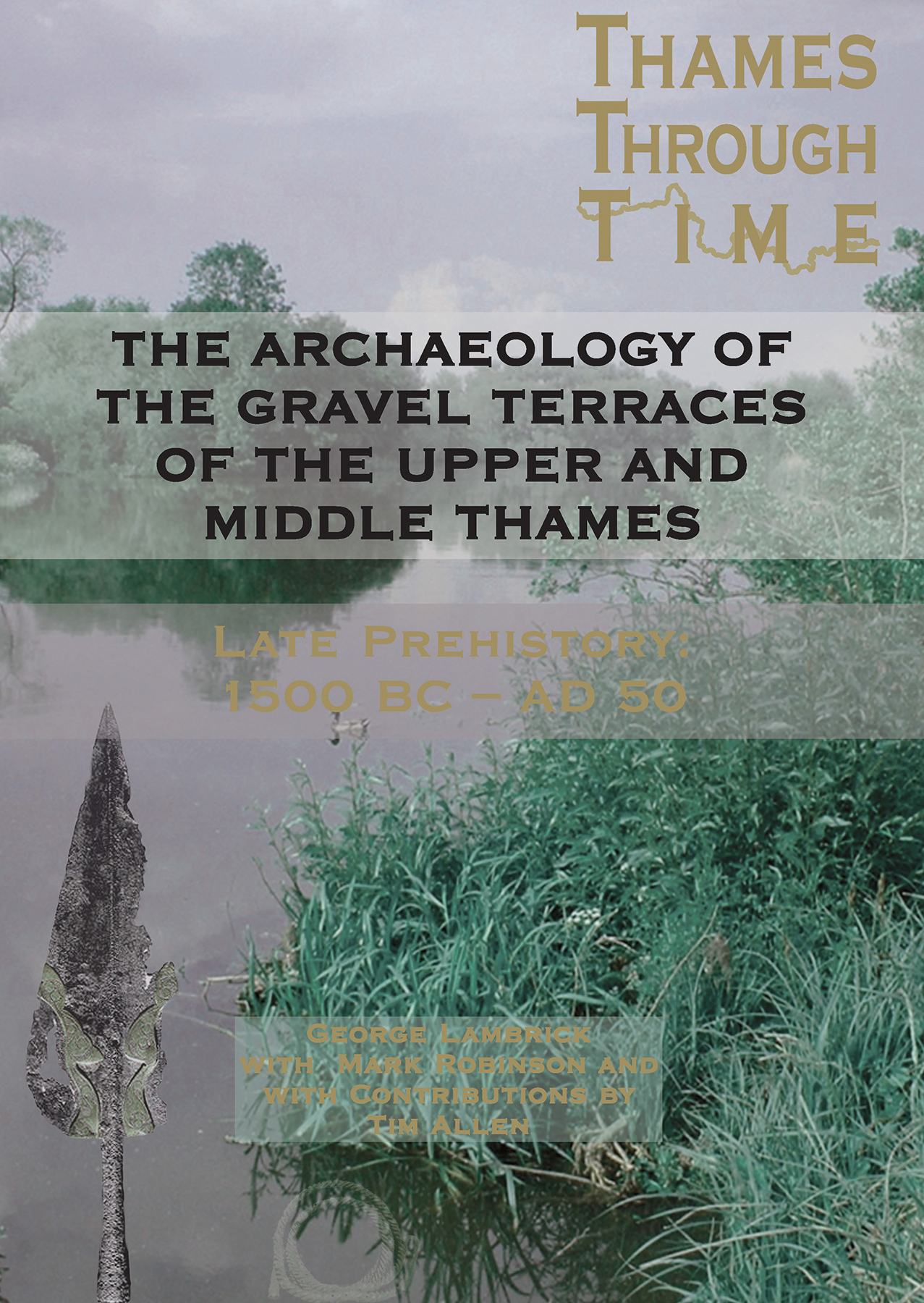
Download Sample PDF
H 303 x W 211 mm
428 pages
Published Nov 2009
ISBN
Hardback: 9780954962791
Keywords
gravel terraces; Thames valley archaeology; prehistoric settlement; river terrace archaeology; landscape archaeology; environmental reconstruction
Thames Valley Landscapes Monograph 29
The Archaeology of the Gravel Terraces of the Upper and Middle Thames: The First Foundations of Modern Society in the Thames Valley, 1500 BC - AD 50
with Mark Robinson
Contributions by Tim Allen

Hardback
£30.00
 Add to wishlist
This study charts late prehistoric change in the Thames Valley, from monument‑focused landscapes to organised farming, trade and early ironworking. Emerging hillforts and large communal enclosures reflect shifting social and political structures, culminating in new tribal dynamics before the Roman conquest.

Archaeopress Publishing Ltd
First and Second Floor
13-14 Market Square
Bicester
Oxfordshire OX26 6AD
United Kingdom
Tel +44 (0) 1865 311914 | fax +44 (0) 1865 512231 | email info@archaeopress.com
