Thames Valley Landscapes Monograph 32
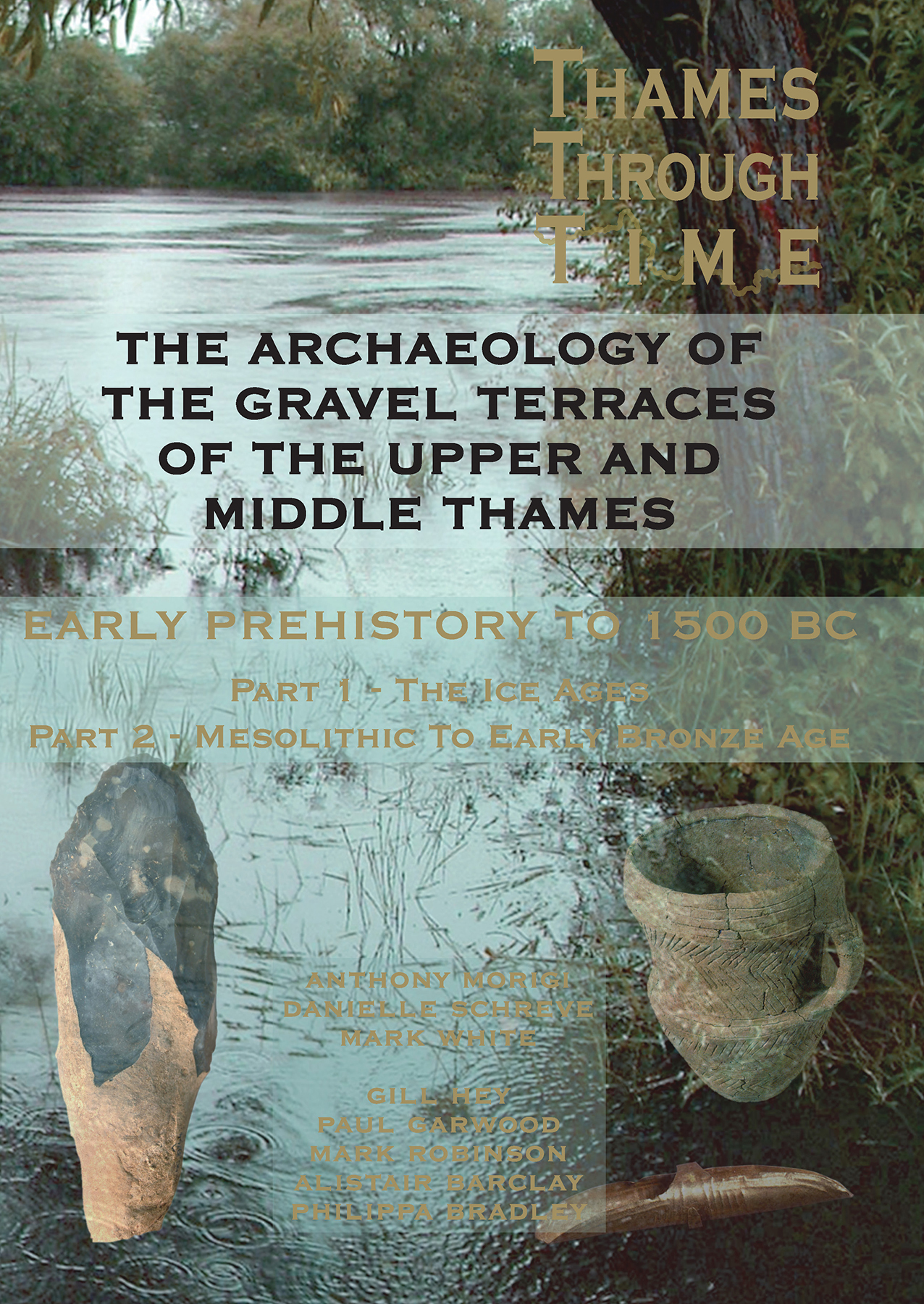
The Archaeology of the Gravel Terraces of the Upper and Middle Thames: Early Prehistory to 1500 BC
By Anthony Morigi, Danielle Schreve, Mark White, Gill Hey, Paul Garwood

Hardback
£34.99
Add to basket
 Add to wishlist
This volume surveys early prehistory in the Upper and Middle Thames Valley, from Pleistocene climate shifts to Mesolithic hunter‑gatherers and the rise of Neolithic and early Bronze Age farming, monuments, ritual and exchange, revealing evolving lifeways and increasing human impact on the environment.
READ MORE
The Thames Valley is a rich source of evidence for understanding past climate and environmental change, the effects on plant and animal populations, and the challenges and opportunities these presented for early humans. Much of this evidence has come to light in the course of gravel quarrying on the terraces of the Thames and its tributaries. This volume provides an up to date overview of the early prehistory of the Upper and Middle Thames Valley, set within its wider regional context. The first part of the volume focuses on the geological, palaeontological and archaeological evidence for the Pleistocene, or the epoch of the Ice Ages. This information is synthesised by the authors in chronologically ordered chapters, beginning more than half a million years ago, and ending with the rapid climatic amelioration that marked the onset of the Holocene epoch, the period of warmer conditions within which we are still living today. Each chapter reviews the evidence for successive glaciations and interglacials, their effects on the course of the river Thames itself, the contemporary climatic and environmental conditions, and the plants, animals and hominins present. The second part of the volume takes up the story from the beginning of the Holocene, around 11500 years ago. Two chapters introduce this era, describing its topography and its changing environment, the character of its archaeological remains and the history of research. The authors review the evidence for early hunter-gatherer populations in the Mesolithic and the transition to a ‘Neolithic’ way of life at c 4000 cal BC, with the introduction of domesticated plants and animals, pottery and different ways of making stone and flint tools and treating the dead. Three chapters outline present knowledge of the changing character of settlement from the Neolithic to the end of the early Bronze Age, and the creation and development of ceremonial and funerary monuments. The volume ends with three chapters presenting more detailed considerations of the evidence for Neolithic and early Bronze Age ritual, ceremony and cosmology; funerary practices; and procurement, production and exchange of materials throughout the period. An overlying theme is the rich social lives and belief systems of the inhabitants and their gradually increasing impact on the environment.