
Publishing Scholarly Archaeology since 1997
Publishing Scholarly Archaeology since 1997
Log in | My Account | Basket Twitter Facebook LinkedIn
Advanced Search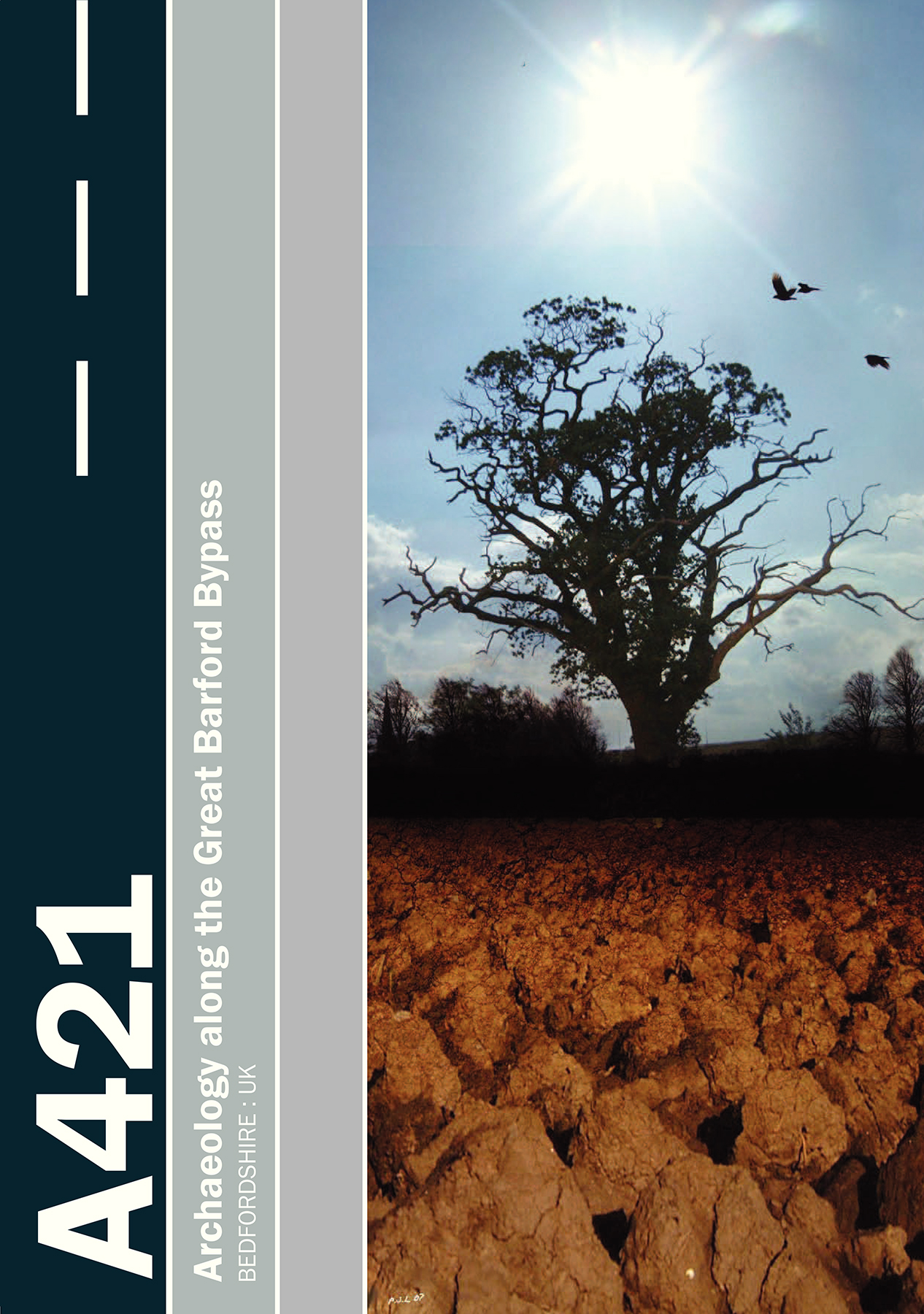
Download Sample PDF
H 297 x W 210 mm
435 pages
Published Nov 2007
ISBN
Paperback: 9780953153152
Keywords
rural settlement; Bedfordshire archaeology; landscape archaeology; agricultural development; settlement continuity; excavation report
Bedforshire Archaeology Monograph 8
Settlement on the Bedfordshire Claylands
Archaeology Along the A421 Great Barford Bypass
By Jane Timby, Richard Brown, Alan Hardy, Stephen Leech, Cynthia Poole

Paperback
£14.95
 Add to wishlist
Excavations along the A421 Great Barford Bypass revealed sparse early prehistoric activity, late Bronze Age–Iron Age settlement at several sites, widespread middle Iron Age occupation, early Roman abandonment at some locations, a late Roman cemetery, and Saxon to medieval hamlets, showing long-term shifting settlement use.

Archaeopress Publishing Ltd
First and Second Floor
13-14 Market Square
Bicester
Oxfordshire OX26 6AD
United Kingdom
Tel +44 (0) 1865 311914 | fax +44 (0) 1865 512231 | email info@archaeopress.com
