
Publishing Scholarly Archaeology since 1997
Publishing Scholarly Archaeology since 1997
Log in | My Account | Basket Twitter Facebook LinkedIn
Advanced Search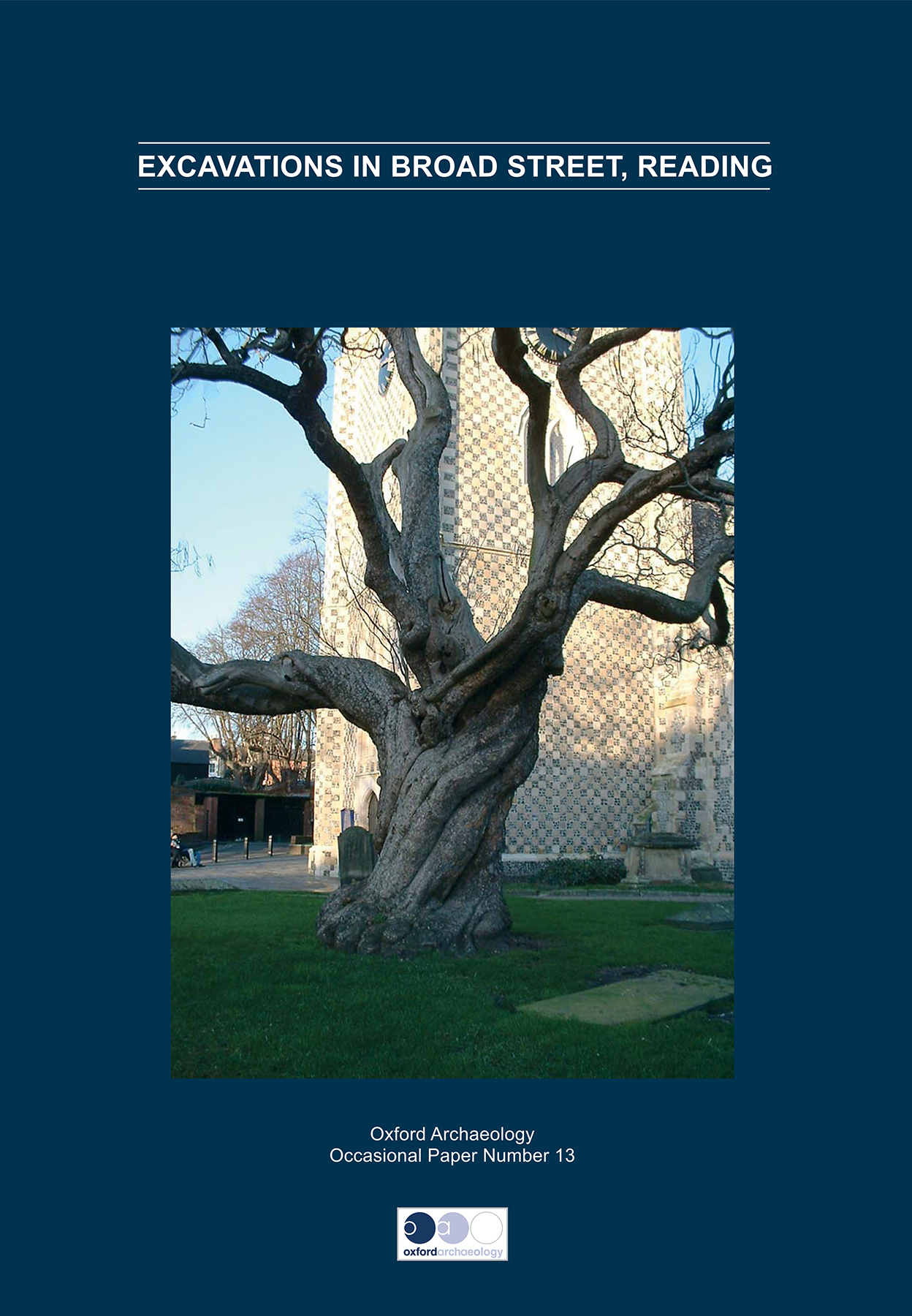
Download Sample PDF
H 294 x W 211 mm
48 pages
Published Apr 2007
ISBN
Paperback: 9780904220421
Keywords
urban excavation; Reading archaeology; medieval settlement; post-medieval development; town stratigraphy
Oxford Archaeology Occasional Paper 13
Excavations of Early Medieval and Early Post-Medieval Features at 90-93 Broad Street, Reading
By Andrew Norton, Daniel Poore

Paperback
£15.00
 Add to wishlist
Excavations at 90–93 and 7–8 Broad Street, Reading, uncovered Saxon‑period soils, medieval gravel pits and a 13th‑century bell‑mould pit, plus rich faunal and pottery assemblages. Later remains included a 16th–17th‑century tavern with cess pit and cellar, revealing high‑status consumption and craft activity.
Archaeopress Publishing Ltd
First and Second Floor
13-14 Market Square
Bicester
Oxfordshire OX26 6AD
United Kingdom
Tel +44 (0) 1865 311914 | fax +44 (0) 1865 512231 | email info@archaeopress.com
