
Publishing Scholarly Archaeology since 1997
Publishing Scholarly Archaeology since 1997
Log in | My Account | Basket Twitter Facebook LinkedIn
Advanced Search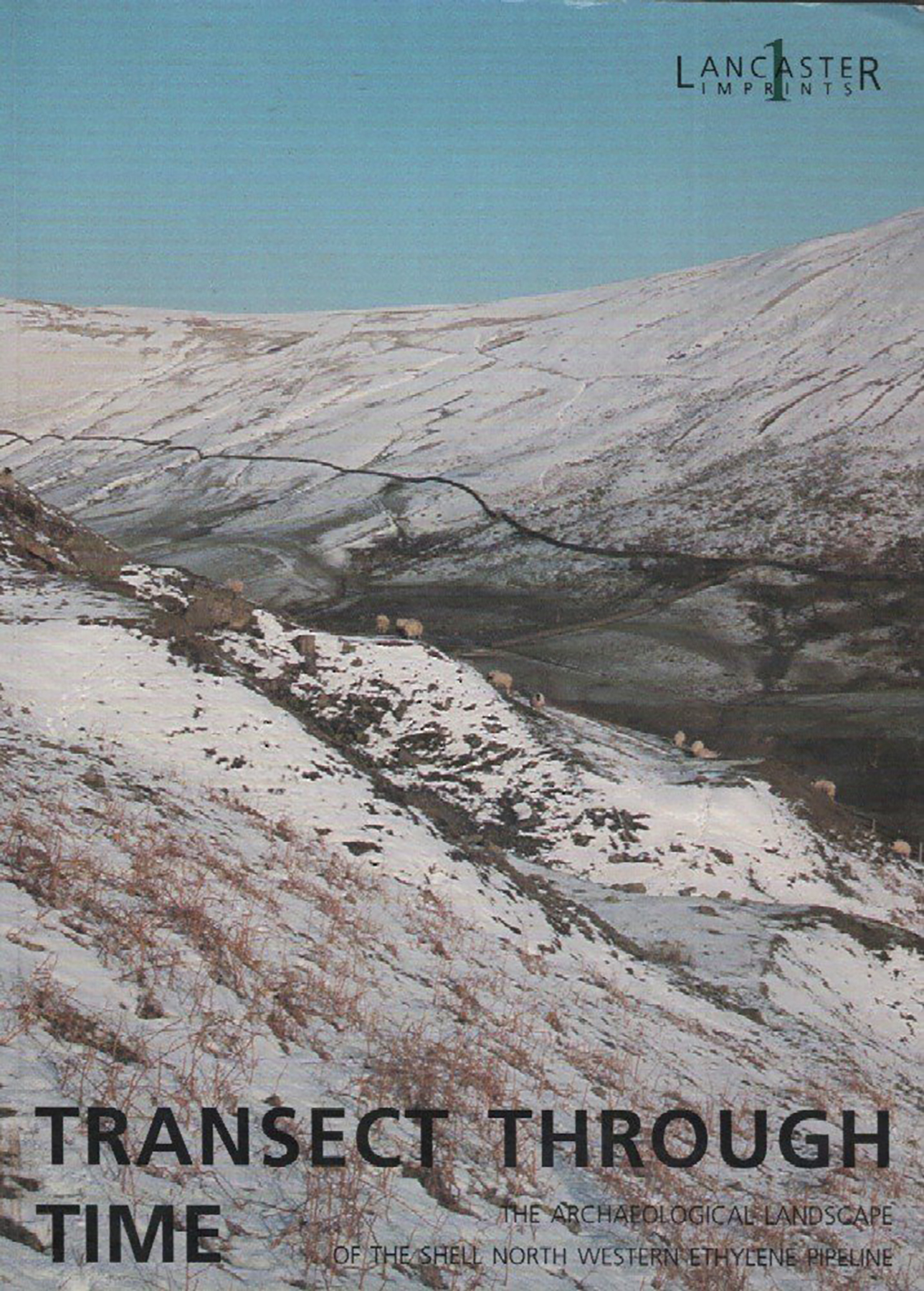
Download Sample PDF
H 297 x W 210 mm
211 pages
123 figures, 6 tables (black & white throughout)
Published Jun 1996
ISBN
Paperback: 9780901800749
Keywords
landscape archaeology; archaeological survey; archaeological excavation; diachronic analysis; rural landscapes; land use
Transect Through Time: The Archaeological Landscape of the Shell North Western Ethylene Pipeline

Paperback
£20.00
 Add to wishlist
This monograph reports on archaeological work linked to the North Western Ethylene Pipeline (1988–94). It outlines surveys and excavations along the route, with major findings at Hadrian’s Wall, Low Borrowbridge, Fremington, and Powsons, and provides a detailed study of the Lune gorge.
Contents
List of illustrations
List of tables
Abbreviations and conventions
Abstract
Contributors
Acknowledgements
Foreword
Introduction
1 METHODOLOGY AND CHRONOLOGY OF THE STUDY
2 ARCHAEOLOGY AND THE LANDSCAPE
3 ASPECTS OF SETTLEMENT IN TEBAY AND THE LUNE GORGE
4 CROSSING HADRIAN’S WALL
5 THE ROMAN CEMETERY AT LOW BORROWBRIDGE, NEAR TEBAY
6 A POST-ROMAN SETTLEMENT AT FREMINGTON, NEAR BROUGHAM
7 A FARMSTEAD AT POWSONS, NEAR TEBAY
CONCLUSIONS
Appendix
1 Summary gazetteer
2 Microfiche index
Bibliography
Index

Archaeopress Publishing Ltd
First and Second Floor
13-14 Market Square
Bicester
Oxfordshire OX26 6AD
United Kingdom
Tel +44 (0) 1865 311914 | fax +44 (0) 1865 512231 | email info@archaeopress.com
